Smartphone Loyalty Tiers Unlock Deposit-Free Rewards Across UK Markets
Jordan Bennett · Nov 8, 2026
Smartphone Loyalty Tiers Unlock Deposit-Free Rewards Across UK Markets
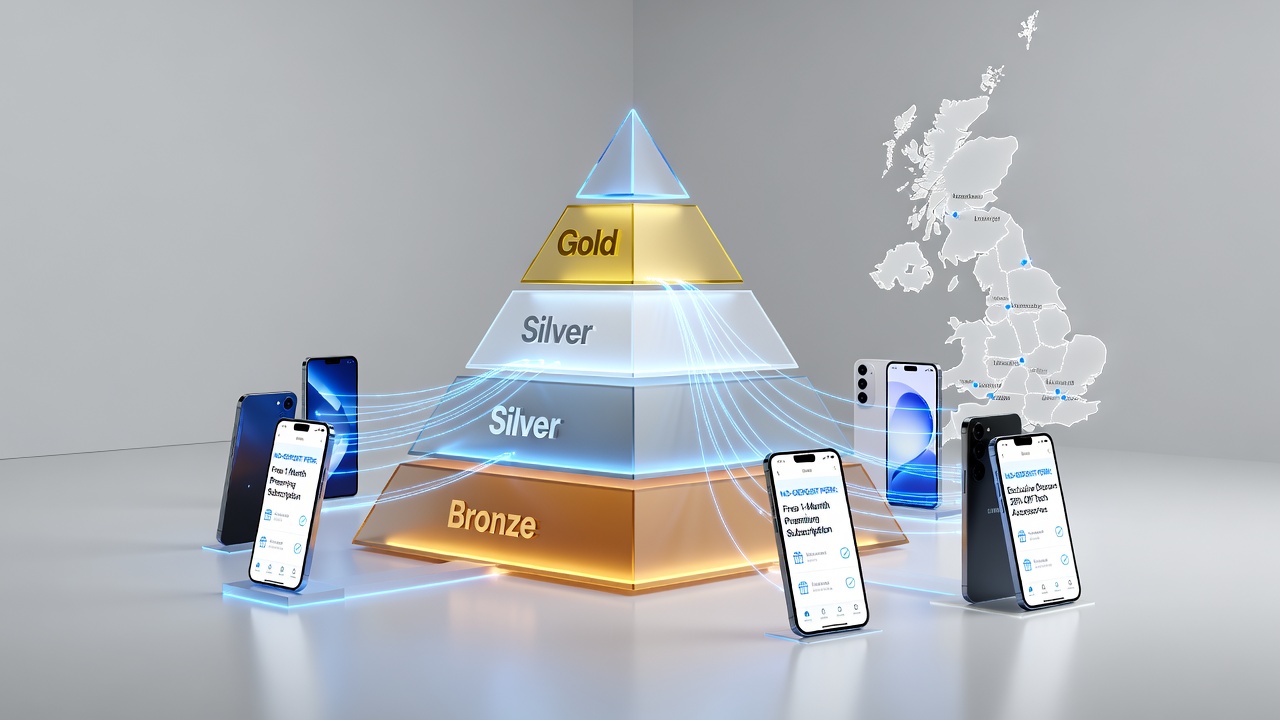
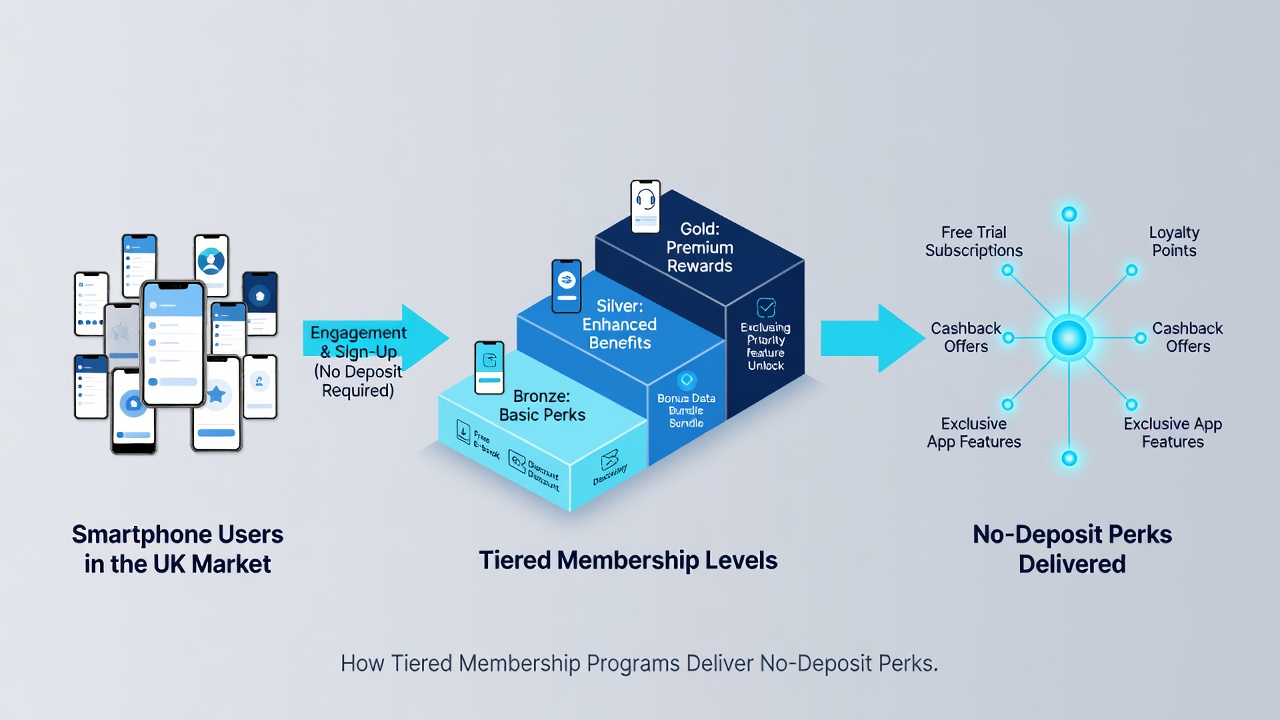
Smartphone users in Britain encounter tiered membership structures that grant access to no-deposit perks through mobile applications, and these programs operate via progressive levels based on activity metrics such as login frequency, engagement duration, and participation patterns. Operators design these tiers to reward consistent users without requiring initial financial commitments, and data from industry reports indicate that mobile platforms account for over 70 percent of such program interactions in the domestic market.
Users advance through bronze, silver, gold, and platinum categories where each stage unlocks specific benefits including free spins, bonus credits, or loyalty points that convert to playable funds. Research from academic institutions shows that smartphone integration allows real-time tracking of progress, which in turn encourages sustained participation across multiple sessions. One study revealed that participants who monitor their tier status via mobile dashboards complete 25 percent more actions than those using desktop interfaces alone.
Mechanics Behind Tier Progression and Perk Allocation
Program algorithms calculate advancement using points earned from in-app behaviors, and these calculations update automatically through smartphone push notifications that alert users to milestone achievements. Observers note that operators calibrate point thresholds differently across categories, with lower tiers requiring minimal interaction to build initial momentum while higher tiers demand greater volume to maintain status. This structure ensures broad accessibility for new smartphone users while reserving premium rewards for established participants.
Benefits distribute directly to user accounts upon tier elevation, and no-deposit elements mean participants receive credits without prior transfers from bank accounts or e-wallets. Figures from market analyses demonstrate that such mechanics reduce entry barriers, particularly for individuals testing multiple platforms before committing funds. In November 2026, several British operators adjusted their point accrual rates to align with seasonal mobile usage spikes during holiday periods.
Smartphone Features Enhancing Accessibility
Mobile applications incorporate biometric login and instant verification systems that streamline entry into tiered programs, and these tools connect directly to perk redemption interfaces. Users receive tailored recommendations based on their current tier and past activity, which appear through personalized feeds that adapt in real time. Evidence from platform analytics indicates that features like one-tap claim buttons increase redemption rates by streamlining the process from notification to account credit.
Geolocation capabilities further refine perk delivery by aligning offers with regional preferences observed in British urban centers versus rural areas, and this customization occurs without additional user input. Those who've studied user behavior patterns report that smartphone notifications about impending tier expirations prompt renewed engagement, thereby sustaining activity levels across the program lifecycle.
Market Data and Participation Trends
Industry statistics reveal steady growth in tiered membership enrollment through smartphone channels, with annual increases averaging 18 percent over the past three years. Reports compiled by the European Gaming and Betting Association highlight that British users represent a significant portion of mobile-first participants who leverage no-deposit incentives to explore different operators. These trends align with broader shifts toward app-based interactions that prioritize convenience over traditional registration methods.
Participation varies by demographic segments, and younger adults show higher adoption rates according to aggregated platform data. Researchers discovered that smartphone users aged 25 to 34 advance through tiers more rapidly due to higher session frequencies compared to older cohorts. What's interesting is how these patterns influence overall program design, prompting operators to introduce intermediate milestones that maintain momentum for all user groups.
Regulatory Context and Compliance Measures
British operators adhere to frameworks established by national authorities that govern the distribution of no-deposit perks within tiered systems, and compliance includes transparent disclosure of eligibility criteria and expiration terms. External audits verify that mobile applications display accurate tier requirements and that automated perk allocations follow predefined rules without manual intervention. Data from independent reviews confirm that such oversight maintains consistent standards across competing platforms.
One notable development involves cross-border comparisons, and analysts reference guidelines from the Australian Communications and Media Authority when evaluating mobile reward transparency in similar markets. These references help British stakeholders refine their approaches while meeting domestic standards. Observers note that operators who integrate clear audit trails into their smartphone apps experience fewer compliance queries from participants.
Examples of Program Implementation
Take one operator that introduced a mobile-exclusive silver tier granting weekly no-deposit credits after 10 logins, and this initiative resulted in measurable upticks in daily active users according to internal metrics. Another case involved a gold-level program where smartphone users accumulated points through mini-games that unlocked bonus rounds without deposits, and participation logs showed sustained engagement over multi-week periods.
These implementations demonstrate how tier structures adapt to mobile interfaces, and the ball remains in operators' court to refine algorithms based on usage feedback. Experts have observed that successful programs balance perk generosity with sustainable business models, ensuring long-term viability for both users and providers.
Conclusion
Tiered membership programs continue to evolve as smartphone technology advances, delivering no-deposit perks that integrate seamlessly into British users' daily routines. Market indicators suggest ongoing refinement of these systems to accommodate shifting engagement patterns, and the interplay between mobile features and tier mechanics shapes participation across the sector. Observers continue to track developments that influence how these programs operate in the coming periods.